
#The Anatomy of a Short Link: What's Hiding in Those Few Characters?
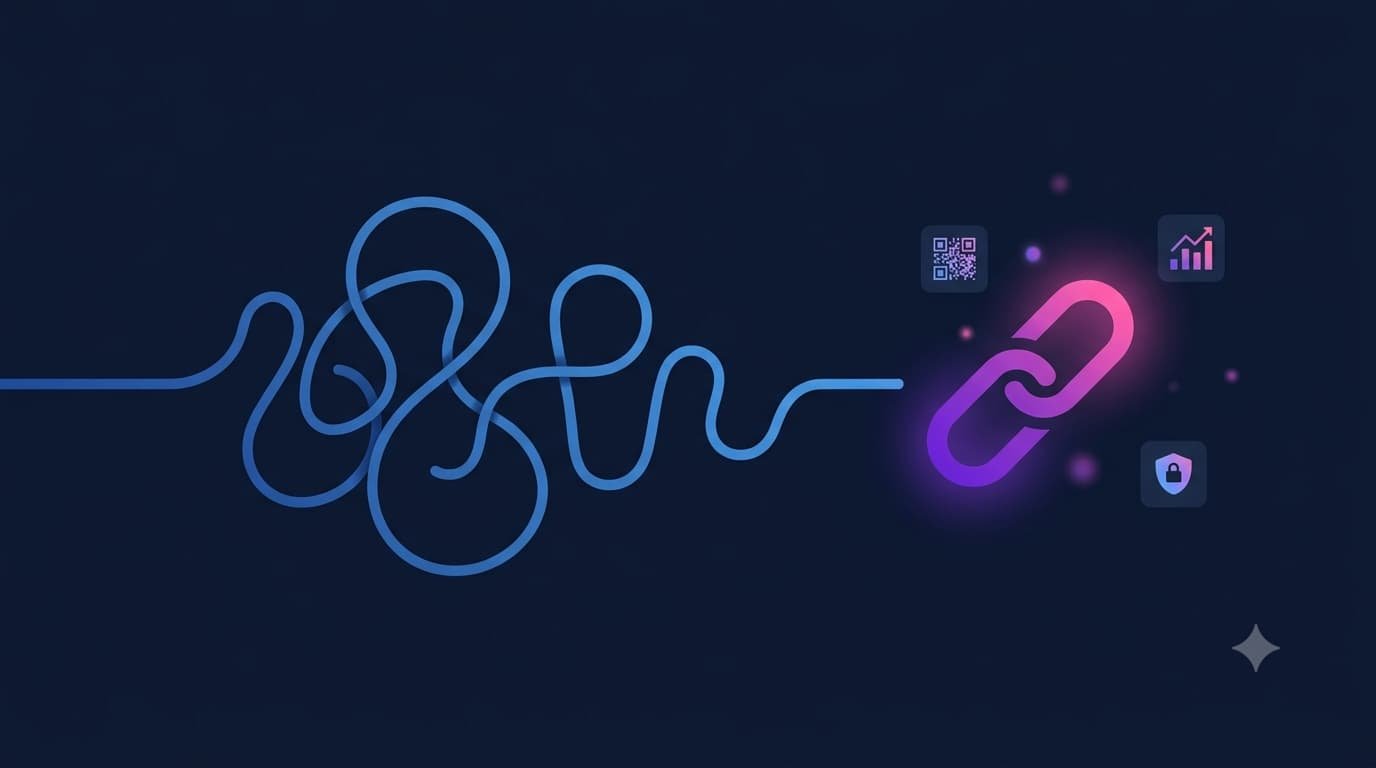
At first glance, a short link seems simple, almost magical. You take a ridiculously long, unwieldy URL—the kind you’d never dream of typing—and with a single click, it transforms into a neat, compact string of characters like 2shrt.xyz/abcde. But is that all there is to it?
The truth is, a short link is far more than just a condensed address. It's a powerful tool with a well-defined structure, a hidden engine of data, and a purpose that extends far beyond aesthetics. Understanding its core components is the key to unlocking its full potential for marketing, social media, and personal productivity.
Let's dissect a short link and explore its fundamental parts, from the visible characters to the invisible redirection process that makes it all work.
#1. The Protocol: The Foundation of Trust
Just like any standard URL, a short link begins with a protocol, almost always https://. This part of the address might seem obvious, but its presence is crucial.
The https protocol signifies a secure connection. It means that any data transmitted between your browser and the website is encrypted. For a URL shortening service like 2shrt.xyz, this is non-negotiable. It assures users that when they click a link, their connection is secure and their data is protected from interception. A short link without an https protocol is a major red flag and can damage user trust. It is the first sign of a reliable and secure URL shortener.
#2. The Domain: The Brandable Powerhouse
The next element is the domain name, in our case, 2shrt.xyz. While many free URL shorteners use generic, unbranded domains (like bit.ly or tinyurl.com), using a custom or brandable domain is a significant advantage.
A short, memorable domain like 2shrt.xyz serves as a powerful branding tool. It builds brand recognition and makes your links instantly identifiable. When people see a link with your brand name in it, they are more likely to trust it and click it. This is especially important for businesses and content creators who want to maintain a consistent brand identity across all their online channels, from Twitter to email newsletters.
Furthermore, a custom domain gives you complete control over your link data. You're not subject to the policies or potential service disruptions of a third-party domain. This autonomy is a critical component for anyone serious about digital marketing and data ownership.
#3. The Alias: The Unique Identifier
The alias is the string of characters that comes after the domain, for example, /abcde. This is the part that makes the short link unique. It's the key that unlocks the door to the original, long URL.
This string can be a random combination of letters and numbers generated automatically by the service. The benefit of this is that it ensures a unique identifier every time, preventing any clashes. Some services, like ours, also allow for a custom alias. For example, you could create 2shrt.xyz/my-new-product instead of a random string.
A custom alias makes the short link even more user-friendly and memorable. It can be used as a call-to-action in a presentation or a print advertisement, where you want the user to easily remember and type the link. A well-chosen custom alias also provides a hint about the destination content, which can improve click-through rates.
<br> <center> <img src="https://placehold.co/800x450/333/fff?text=Abstract+Image+of+Data+Flow" alt="An abstract image showing data flowing from a long URL to a short URL, representing the core function of a URL shortener." style="border-radius: 12px; max-width: 100%; height: auto; box-shadow: 0 4px 12px rgba(0,0,0,0.1);"> </center> <br>
#4. The Redirect: The Unseen Magic
This is the most crucial part of a short link's anatomy, and it happens completely behind the scenes. When a user clicks a short link, the server at 2shrt.xyz performs a redirect. This is a command that tells the user's browser, "Don't go here; go to this other, much longer URL instead."
There are two main types of redirects that are relevant for SEO and user experience:
301 Redirect (Permanent): This tells search engines and browsers that the move to the new URL is permanent. It passes almost all of the "link equity" or "link juice" from the short link to the long one. This is ideal if you are creating a link that will never change.
302 Redirect (Temporary): This signals a temporary move. It's often used for things like A/B testing or seasonal campaigns where you might want to change the destination URL in the future.
The type of redirect used can have a big impact on SEO. A good URL shortening service will use a 301 redirect by default to ensure the SEO value of the original link is preserved.
#5. The Analytics Layer: The Data Behind the Clicks
A short link isn't just a simple forwarding mechanism; it's a powerful data collector. The moment a user clicks your link, a series of events are tracked and logged in the analytics layer. This is where you gain invaluable insights into your audience and the performance of your campaigns.
Common metrics collected include:
Total Clicks: The most basic but important metric.
Geographical Data: Where in the world are your clicks coming from? This is essential for geo-targeting and understanding your audience demographics.
Device Type: Are people clicking on mobile, desktop, or tablet? This helps you optimize your content for the right platform.
Referral Source: Where did the click originate from? Was it Twitter, a specific website, or an email?
This analytics layer is what transforms a URL shortener into a professional marketing tool. It allows you to track the performance of your social media posts, A/B test different campaigns, and make data-driven decisions to improve your online presence.
<br> <center> <img src="https://placehold.co/800x450/444/fff?text=Dashboard+Analytics+Chart" alt="An image of a stylized analytics dashboard with various charts and graphs, representing the data-tracking capabilities of a short link." style="border-radius: 12px; max-width: 100%; height: auto; box-shadow: 0 4px 12px rgba(0,0,0,0.1);"> </center> <br>
#6. The Extras: Beyond the Basics
Advanced URL shortening services often include extra features that add another layer of functionality. These can include:
QR Codes: Instantly generate a QR code for your short link, bridging the gap between the digital and physical worlds.
Password Protection: Protect your links with a password to ensure only the intended audience can access the destination.
Link Expiration: Set a time or date when your short link will expire, perfect for time-sensitive promotions or temporary content.
A/B Split Testing: Direct users to different URLs based on factors like their location or device, allowing you to optimize for conversions.
#Conclusion
"The Anatomy of a Short Link" is far more complex and fascinating than it appears. It’s a carefully constructed digital tool, comprising a secure protocol, a brandable domain, a unique alias, and a powerful redirection and analytics engine. It’s a tool that empowers you to not only simplify URLs but also to gather critical data, build brand trust, and enhance your digital marketing efforts.
The next time you use a URL shortener, you’ll know that behind that tiny string of characters is a whole world of technology working for you.